farming
why the interest
March 3, 2019 · 523 words · 3 min read · essay, writing, village
A note from older me: I don’t believe these strongly anymore. I was young and full of misdirected energy. I’m keeping this blog instead of rewriting history. I still believe the core issues and observations are true.
As I’ve explained in this post . Farming has high reverence among Indians. Farmers are portrayed as martyrs who give their lives to save their nation. When examined closer into this context. It reveals a deep cognitive decision by the nascent Indian Government of 1950s.
The scenery in India when the British left us, wasn’t exactly all sunshine. India was a dying economy left to fend for itself. The famine in India Wikipedia page mentions list after list of famines that caused mass deaths, with these pictures
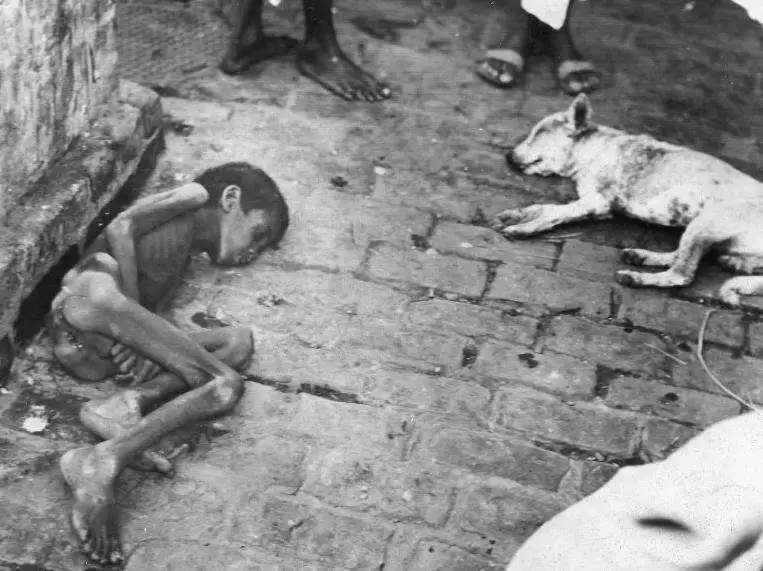
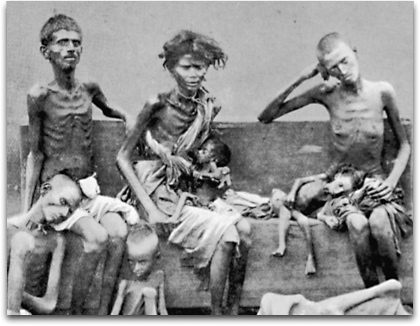
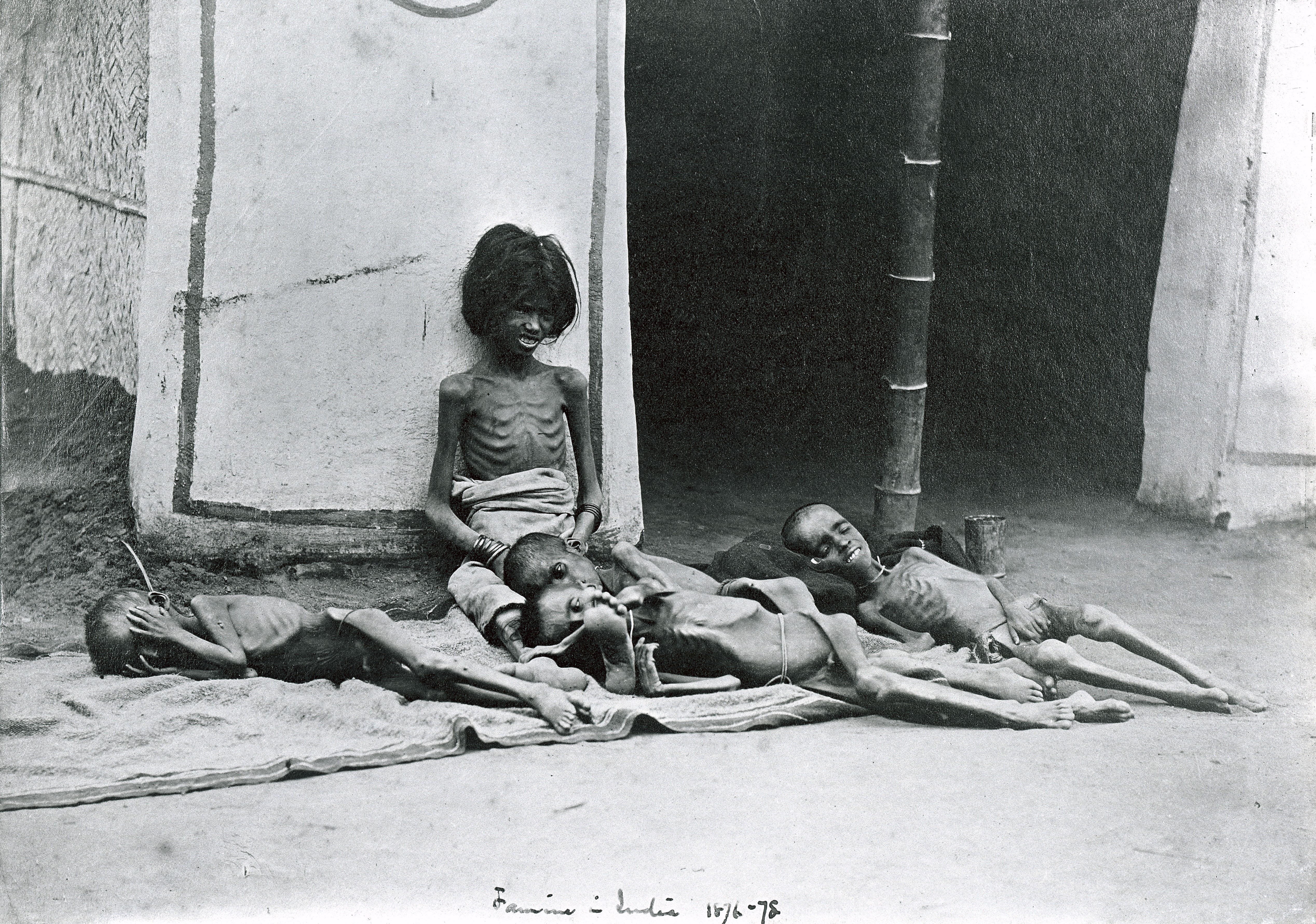
Bengal Famine of 1943, The great famine of 1876-78 are all telling examples. It was the steps taken by the desperate government. Steps such as, The Green Revolution to introduce new High-yield wheat and rice. Which were massively successful. Other steps include the establishment of National bank for Agricultural and Rural Development and new infrastructures prioritising Agriculture. The graph from tradingeconomics . On the agricultural lands of India provides the success of the policies introduced by the government.
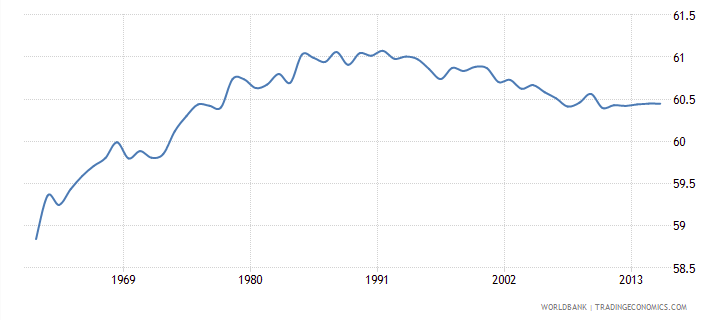
Agricultural land area in India
The Government started espousing the idea that, farming provides a better opportunity and can provide a livelihood. People were convinced of the idea. Eventually these ideas got into children’s textbooks as well. These thoughts and idea have been Tattoed in the brains of youth so much that. When someone says that farmers are the backbone of our country, we don’t find it weird. When in reality it’s just a facade, something akin to saying “the poor who earns that day’s work is happier than the richest person.” of course, it is stupid.
It’s not true that farmers are the backbone of India and It’s not true that farmers are living healthier happier lives. Malnutrition and poverty are highest, in villages. It’s not the mistake of the farmers that they are stuck in a profession that is barely providing for their daily needs. It is the mistake of the government of India 1951 that chasing. It’s not the mistake of the Youth that they are idolising farmers. It’s the ghosts of 1950 that are acting and making people follow these ideologies.
Amartya Sen, in his book “Uncertain Glory” complains this as the Biggest mistake of the Gandhian ideology Government of 1947, encouraging youngsters to pursue their handicrafts than on education. This is one of the reasons why India has whole generation of people still stuck in villages, trying to scrape to get by.
It’s in the hands of the Government to re-frame the approach and provide with a firm foundation that encourages education. It is impossible to build a developed nation with people stuck in poverty. But the Governmental interests are mostly dependent on people’s general concerns. This is a pernicious cycle where the government empowers the people to do the illogical thing and the people espouse the government to do the same.
The cycle breaks only with knowledge. Which should atleast start somewhere.
Frodo: “It’s a pity Bilbo didn’t kill Gollum when he had the chance.”
Gandalf: “Pity? It’s a pity that stayed Bilbo’s hand. Many that live deserve death. Some that die deserve life. Can you give it to them, Frodo? Do not be too eager to deal out death in judgment. Even the very wise cannot see all ends. My heart tells me that Gollum has some part to play in it, for good or evil, before this is over. The pity of Bilbo may rule the fate of many.”
Frodo: “I wish the Ring had never come to me. I wish none of this had happened.”
Gandalf: “So do all who live to see such times, but that is not for them to decide. All we have to decide is what to do with the time that is given to us. There are other forces at work in this world, Frodo, besides that of evil. Bilbo was meant to find the Ring, in which case you were also meant to have it. And that is an encouraging thought.” ― J.R.R. Tolkien, The Fellowship of the Ring